
ACSM’s 2026 Resistance Training Position Stand: What Lifters Should Notice

The American College of Sports Medicine published a new resistance training position stand in 2026, updating the organization’s 2009 progression model. Its central message is less complicated than many lifting debates: progressive resistance training improves strength, muscle size, power, endurance, balance, and physical function, while only some programming variables consistently change the size of those gains.
This was not a single new gym trial. The authors reviewed 137 systematic reviews covering more than 30,000 healthy adults. Eligible reviews synthesized resistance-training trials lasting at least six weeks, and the literature search ran through October 2024. The paper therefore sits near the top of the evidence hierarchy, but it also inherits the limitations and uneven quality of the reviews beneath it.
Strength responds to specificity
For voluntary strength, the position stand found larger improvements when training used heavier loads of at least 80% of one-repetition maximum, a complete range of motion, two or three sets, at least two sessions per week, and placement of the target exercise near the beginning of the workout.
That pattern is coherent. Strength is partly a skill, and a person becomes better at producing force in the movement and loading range they practice. Heavy work provides specific exposure to high force. Performing an important lift early also reduces the chance that fatigue from unrelated exercises will limit its load or repetition quality.
None of this means every set must be above 80% of 1RM. The paper reports variables associated with enhanced outcomes across a large body of research; it does not prescribe a single routine for every trainee. Warm-up work, lighter accessory training, rehabilitation constraints, and phases emphasizing muscle gain can all justify other loads.
Hypertrophy has a different emphasis
The review found that muscle hypertrophy was enhanced by higher weekly volume, identified as at least 10 sets per muscle group per week, and by eccentric overload. Unlike maximal strength, hypertrophy was not presented as dependent on always using heavy loads.
This distinction is important for bodybuilders. A program can contain heavy compound lifts for strength practice while using moderate or lighter loads elsewhere to accumulate productive volume. The practical ceiling will still depend on exercise selection, proximity to failure, recovery, and how much of the stated volume is actually challenging. Ten rushed sets with shortened technique are not interchangeable with ten controlled sets that load the target muscle.
The position stand does not settle every volume question. “At least 10 sets” describes a broad trend, not a guarantee that 20 is better than 12 or that every muscle needs the same dose. Training age and the amount of volume a lifter can recover from remain relevant. A recent trial on progressive overload and triceps growth in this batch addresses a narrower question than the ACSM overview.
Training to failure was not consistently superior
One of the paper’s most useful findings concerns variables that did not consistently affect outcomes. Training to momentary muscle fatigue, equipment type, exercise complexity, set structure, time under tension, blood-flow restriction, and periodization were among the factors that did not show a reliable independent impact across the included evidence.
“Not consistently superior” is not the same as “never useful.” Failure can help standardize effort in a study, and some lifters use it selectively on safe isolation exercises. Periodization can organize training and manage fatigue even if no single model dominates every outcome. Machines may suit one person’s anatomy or allow a target muscle to be loaded with less balance demand. The finding argues against treating any of these methods as mandatory magic.
It also challenges a common habit of building a program around whichever variable is easiest to market. A special tempo, complicated set sequence, or proprietary machine matters less if the athlete is not training progressively, performing enough useful work, and repeating the process for long enough to adapt.
Power needs intent and appropriate loading
For power, the review favored moderate loads, roughly 30% to 70% of 1RM, low-to-moderate volume, Olympic-style weightlifting, and fast concentric intent. Power training also improved physical function.
That is a different target from grinding a maximal lift. Power is force expressed quickly, so the load must permit meaningful acceleration. A lifter interested only in bodybuilding does not need to turn every session into Olympic-lift practice, but athletes whose sport depends on jumping, sprinting, or rapid force should not assume slow heavy lifting covers the entire quality.
Where the position stand applies
The review concerns healthy adults and outcomes from programs lasting six to 52 weeks. It is not a medical clearance document, an injury-rehabilitation protocol, or evidence that one template suits people with cardiovascular, neurological, or orthopedic conditions. The authors also synthesized reviews rather than reanalyzing every participant’s raw data.
The source is the peer-reviewed ACSM position stand indexed by PubMed (PMID 41843416; DOI 10.1249/MSS.0000000000003897), published in the April 2026 issue of Medicine & Science in Sports & Exercise. The paper itself should be read before using its numbers in professional programming.
For a general lifter, the most defensible translation is modest: train the major patterns consistently, progress the work, use heavy practice when maximal strength matters, and accumulate sufficient weekly volume when hypertrophy is the priority. Put the lifts you most want to improve early enough that fatigue does not turn them into an afterthought. Methods such as failure, bands, machines, and periodization can be tools, but the current synthesis does not support treating them as universal requirements.
More study-specific coverage is available in the Training archive, including a new comparison of long-muscle-length partials and full range of motion. Those smaller experiments can refine a question; the ACSM position stand is better used as the broad map.
More News
 News
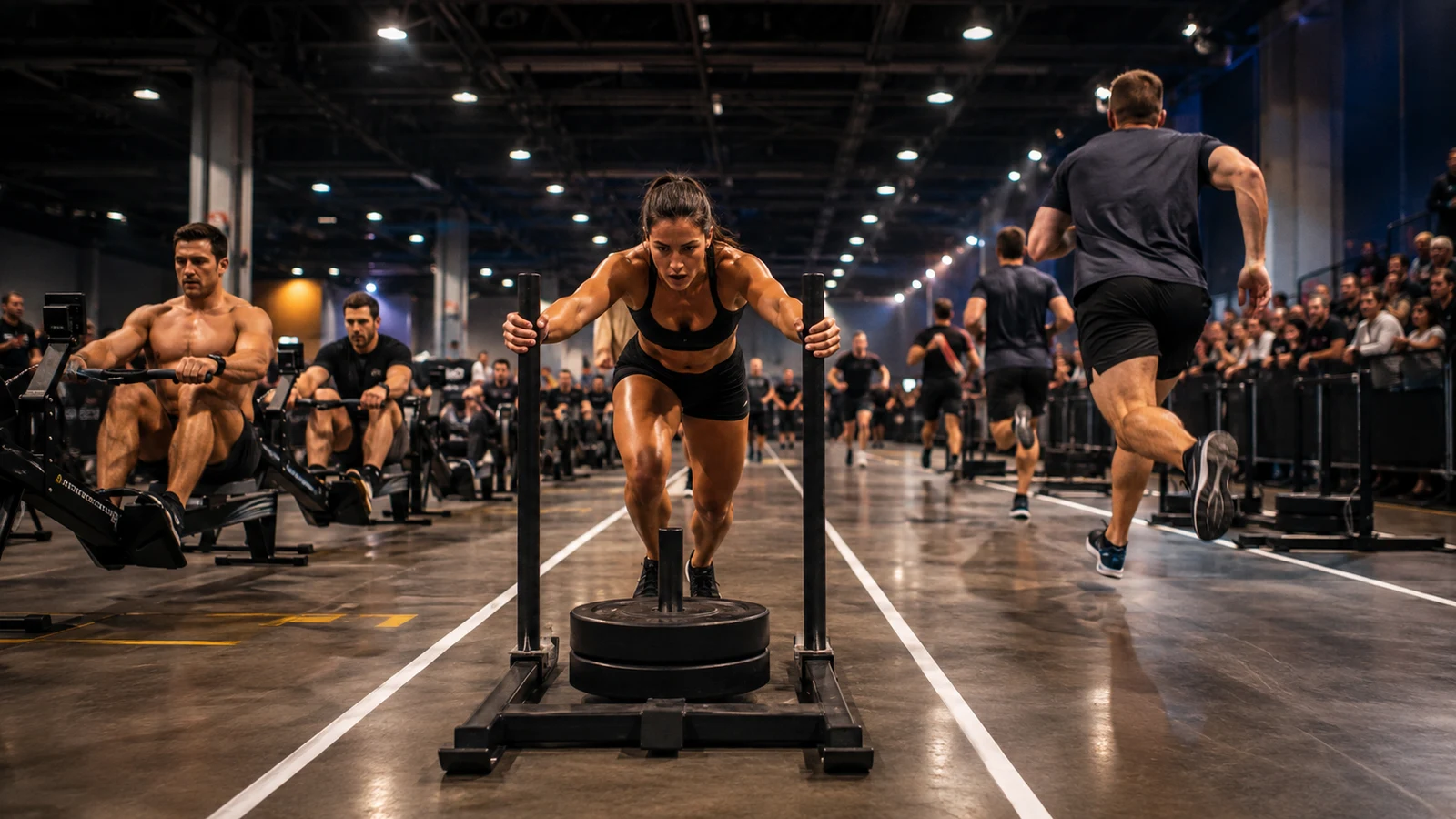
NewsHYROX Washington D.C. 2026: Five-Day Schedule, Check-In, and Race Guide
HYROX Washington D.C. runs September 3–7, 2026, across five days. Here are the official division windows, venue, check-in rules, and ceremony times.
 News
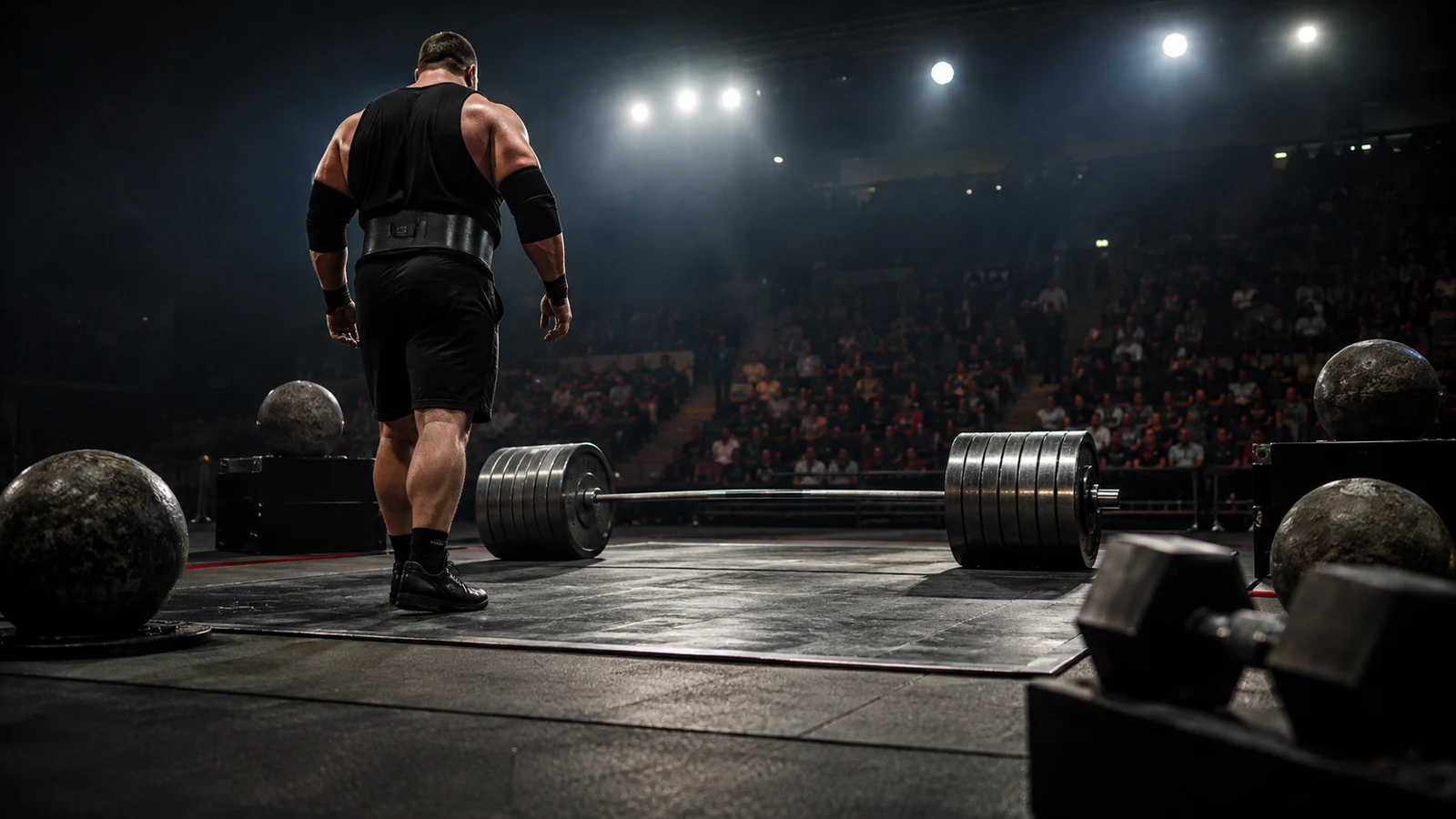
News2026 Strongman Open and World Deadlift Championships: Lineup and Events
The Strongman Open and World Deadlift Championships return to Birmingham on September 5. Here is the official lineup, five-event program, and record context.
 News
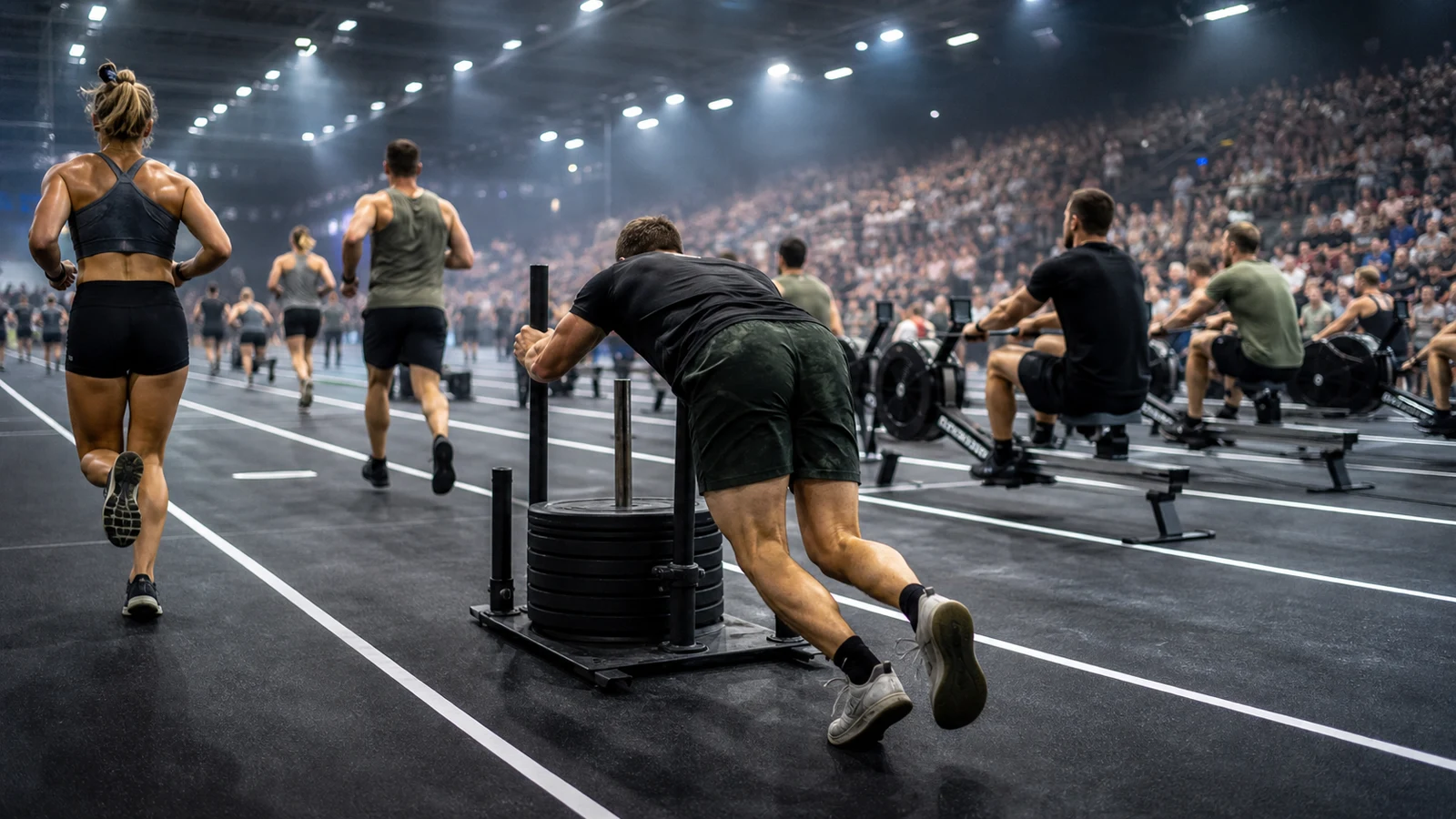
NewsHYROX Athens 2026: Dates, Start Times, and First-Race Guide
HYROX Athens is scheduled for September 5–6, 2026. Here is what competitors can confirm now, when individual start information appears, and how to plan race week.